It has been a couple of weeks since we returned from the World Championships in Austria, and I have finally had some time to stop and reflect on the amazing competition that it was. We came back from the event completely exhausted but elated with the success we had.
The 23rd FAI World Hot Air Balloon Championships was held in Groß-Siegharts, Austria. Groß-Siegharts is a pretty little town about 100km NW of Vienna, sitting amongst beautiful rolling hills, corn fields and pretty forests. More importantly it is also a fantastic place for competition ballooning. There are plenty of roads (most of them pretty small), lots of places to land and the locals are really friendly (especially when your balloon has a 20m smiley face on it).
This year the Australian Balloon Team consisted of 4 pilots (Nicola Scaife, Matt Scaife, Sean Kavanagh and myself) and a support team of 12 core competition crew plus tribe of others helping look after the Scaife and Kavanagh offspring.

We all arrived in Groß-Siegharts about 4 days before the competition started, allowing for plenty of time to get over jet lag and some time to get some practice flights in. The forecast for the following competition week looked like it was going to allow for a lot of flying, so we decided to only fly mornings and not tire ourselves out before the actual comp started.
For someone who doesn’t normally do a lot of flying, I had done a fair bit of practice in the months leading up to the event. So during the practice flights it was reassuring that I actually remembered how to fly. Also, it was only the second comp I had flown my new Kav EX60 (Balloony McBalloonface), but as I had found in Canowindra in April, it was such a dream to fly. I was able to put it exactly where I wanted. So I felt really good going into the competition.
Being the end of Summer in Austria, it was really hot. This took a lot to get used to. By the time we were landing in the mornings, it was already getting into the mid 20s. In the evenings, we were often taking off in the high 20s. Not only did this make it sweaty work for the team, but fuel management soon became something to really think about. On a couple of occasions we were trying to squeeze as much fuel out of our tanks as we could and had to really plan our tasks so that we would not run out of fuel. I can see why many people in the Northern Hemisphere fly larger envelopes, so they can carry more fuel.
The other big impact that flying at this time of year had was the length of the days. Morning briefings were at 5am and evening briefings were at 5pm. So most days were managing about 3-4 hours sleep at night and maybe 2 during the day (if we were lucky). By the 5th day of the competition we had flown every morning and evening slot, so everyone became zombies. Life became pretty simple at that point… fly, refuel, eat, sleep, repeat.
The actual competition ran for 7 days. There were 10 competition flights that consisted of 31 tasks. Director, Claude Weber, set some challenging tasks throughout the week. There were a lot of the classics (Judge and Pilot Declared Goals and Hesitation Waltzs). However after the first couple of flights, the targets (with gravity marker drops) were ending up with piles of markers on the crosses. So Claude started mixing up the tasks and started adding extra complexities to the traditional tasks, such as time restrictions for when the scoring areas would be open.
At times, the flying around targets was pretty intense. You only have to look at some of the photos and videos on Facebook to see what I mean by this. At most targets you would expect to have 10-20 balloons around you and a lot of bouncing off other each other. I had markers landing on top of my envelope and on one occasion even had one land in one of my tanks. The congestion caused a lot of issues with pilots not being able to get as good results at targets as they hoped. Early on in the week, I made the conscious decision to launch about 5 minutes behind the leading pack and was able to get to targets with relatively less traffic than those who were eager to launch at the start of the launch periods. This seemed to have paid off.

The scorers were also running the new dangerous flying software, which calculates balloon vertical speed when in close proximity to other balloons. As a result, you will see in the scores that a lot of penalties and warnings were given throughout the week.
It is no secret that Australia did really well overall. Our number one aim was to get all 4 pilots into the top 30, which we achieved. This is no mean feat, considering we only really have one or two competitions in Australia each year. Many of our competitors flew more than this in the weeks leading up to the Worlds. Getting more pilots into the top 30 increases the number of slots we will get at the next Worlds. Nicola flew amazingly well during the competition, coming 9th overall (after a stint of being in the top 3). Matt Scaife ended up in 15th place and Sean Kavanagh finished in 28th place. I personally went into the event with what I thought was a lofty dream of getting a top 30 spot, so coming 23rd was awesome.
The Australian Team worked incredibly well. In fact, Australia received a FAI Competition Diploma for having the 3rd best country average (after Russia and Belgium). We proved at this event that the only way to do well in modern competitions is to have a well coordinated team, which pulls everyone up the rankings. If you look at the results, it was the countries working as teams that did well (both as a team and also for the individuals). The Swiss, French, Brits, Russians and Australia were all running well coordinated teams and they did a lot better than most. Countries such as the US and Japan, who normally do very well at these competitions, were not working in teams and their results reflected this. There were a lot of people commenting on how well the Aussies were operating and were jealous of our organisation.
I thought it would be worth covering some of the things we did right as a team:
- After every briefing, the pilots discussed a rough plan before leaving the briefing hall and always arranged to meet somewhere to do pibals and to plan the flight.
- During the flight we had a common radio channel between the balloons. This allowed us to give each other information, discuss tactics, provide clearance calls and give each other moral support.
- The secret is out that the Australian Team (for a few years now) have been using very advanced team tracking functions within OziTarget. This allowed the pilots to track each other and see exactly what directions and speeds each other had at any time. Plus allowed us to see each other’s tracks at targets giving us a huge advantage.
- Having a Team Manager (Adam Barrow) in the briefings and on the ground to coordinate where each of the crews were going to be was invaluable. Also having Adam as a free agent meant he could be at the first goal before we launched. This meant as soon as we were in the air, we had information about lines of approach to the target.
- Having a dedicated Windsond Team (Alex Aiken and Helmut) allowed us to have 2-3 windsonds sent off during each flight. They did a great job getting us the data and finding the sonds.
- Having experienced competition crew on each of the balloon crews was essential. It did not matter which crew got to a target first, because everyone on the ground was able to talk the pilots into targets.
- Not trying to get every crew to every target is essential. By sending the different crews to different targets meant we had coverage at all targets and they were able to avoid traffic congestion.
- Most importantly, everyone got on really well. During such an intense week, the Aussie (and New Zealand) sense of humour was so helpful to keep everyone relaxed.
The next Worlds will be in 2020 in Slovenia. Depending on how many entrants they allow at the event, Australia should have 5 or 6 spots. With a bigger team, it will be essential that the 2020 team look thoroughly at what worked this year and what could be improved to make our team even more successful.
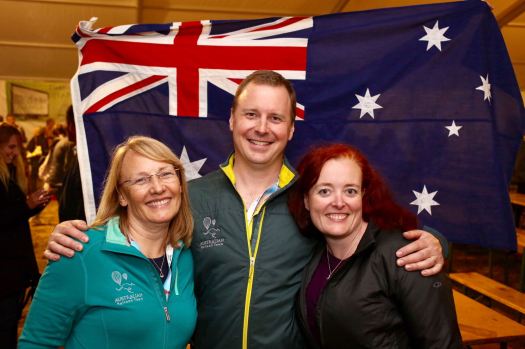
I could write a book about all the learnings and adventures we had during the week. However, I really want to give a big shout out to my awesome crew of Kath Robertson and Lauren Allen. People were concerned that having such a small crew was going to be a problem for us, but these two did an amazing job and we had a lot of fun. Also thank you to the broader Aussie Team who really should be proud of what they achieved. Finally, thanks to everyone at home and around the world that was supporting us leading up to and during the competition.




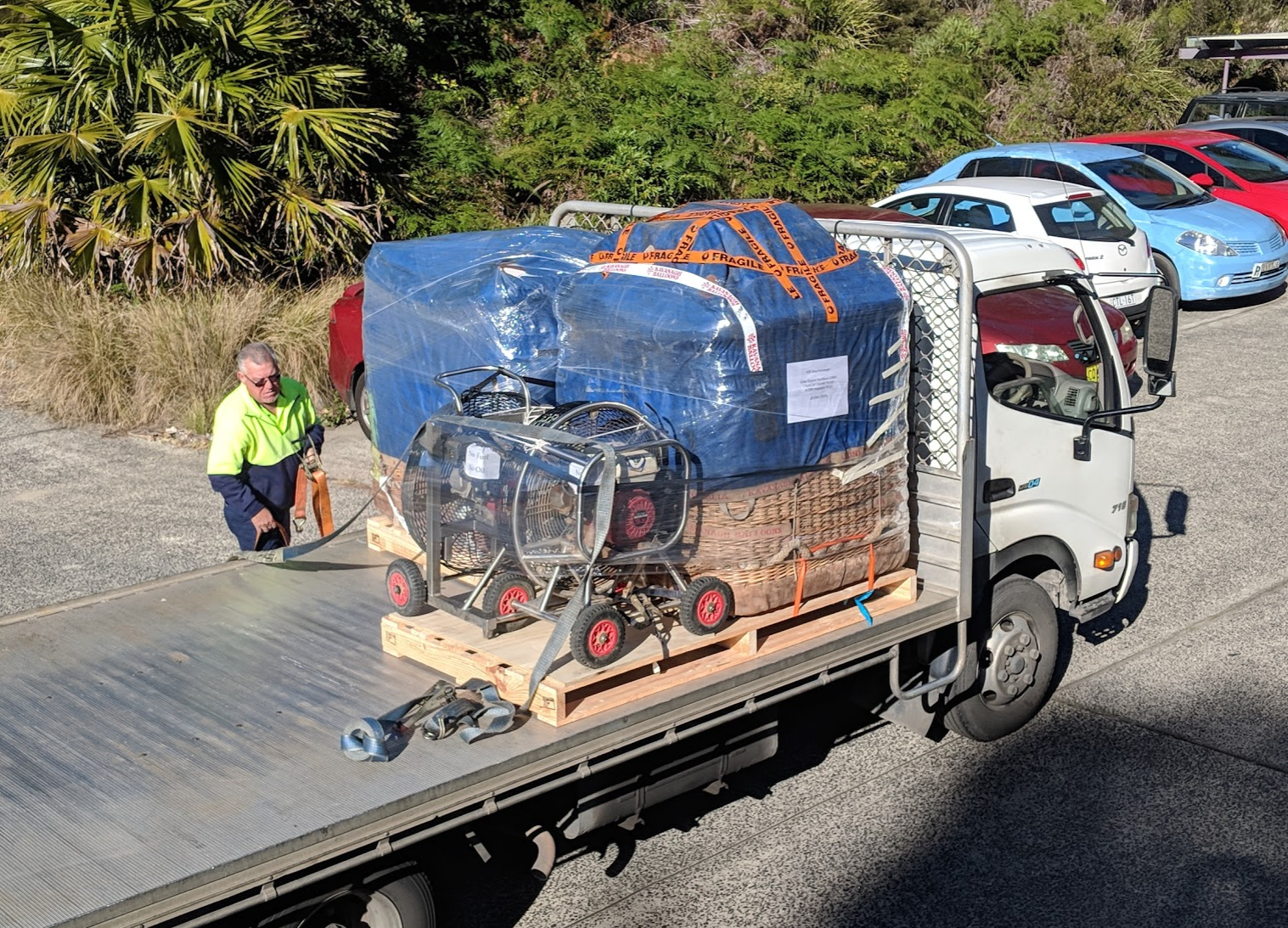
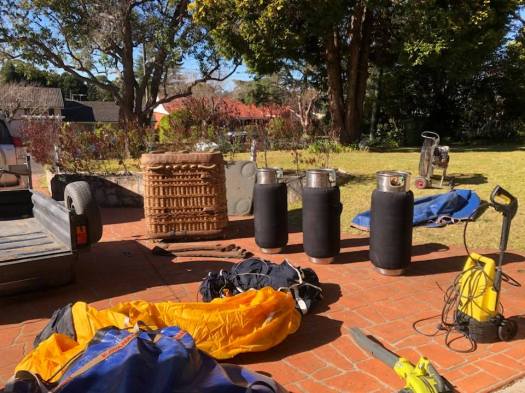


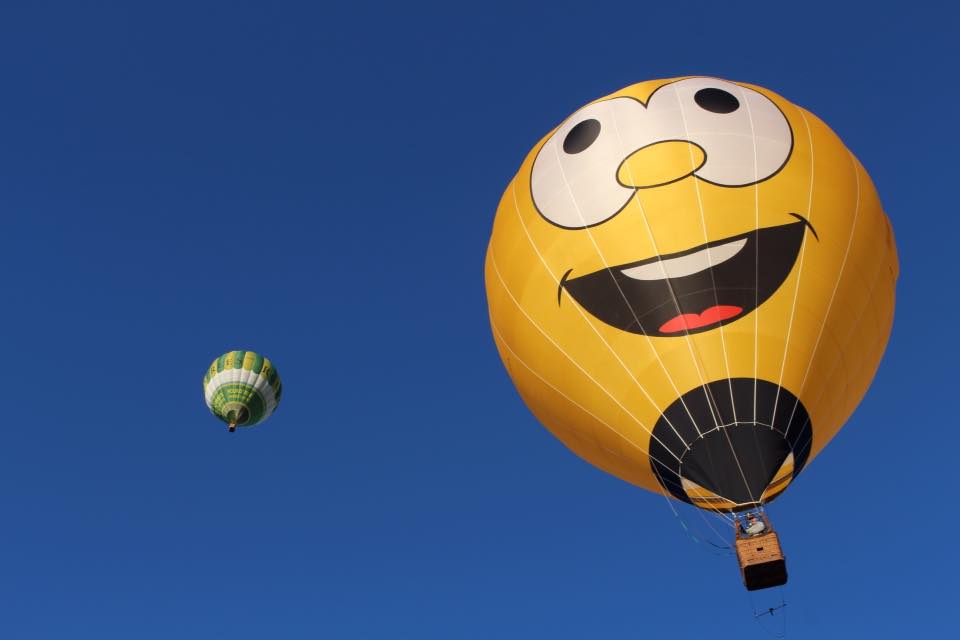


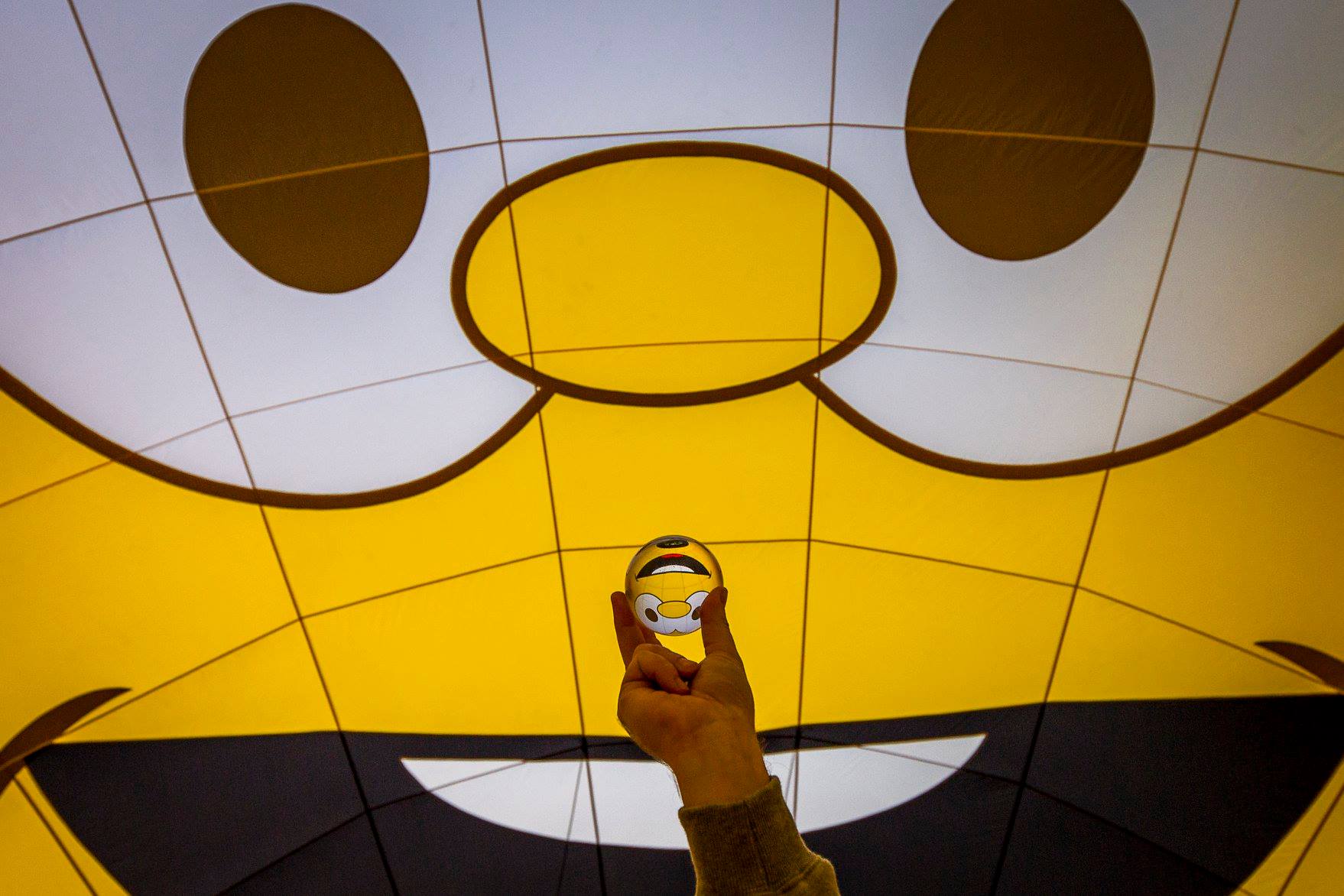
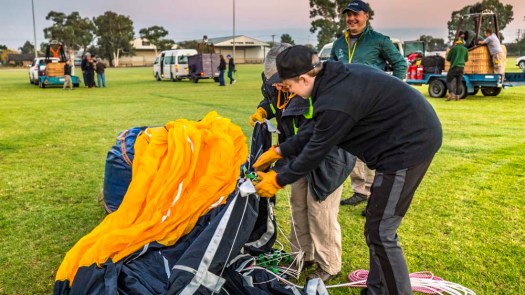
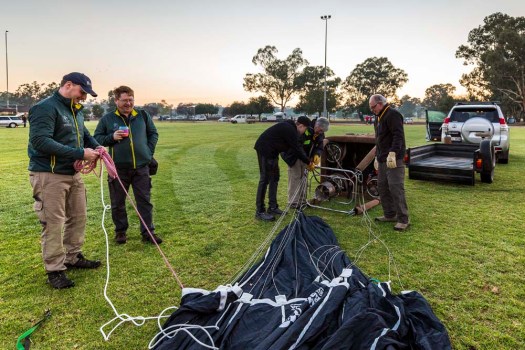
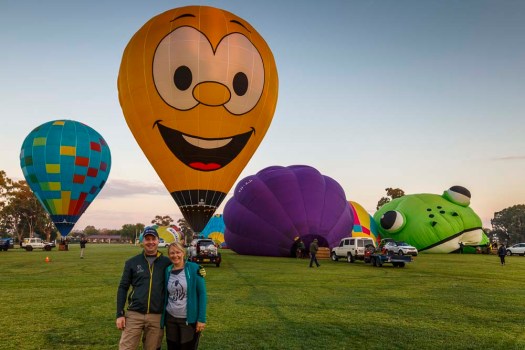
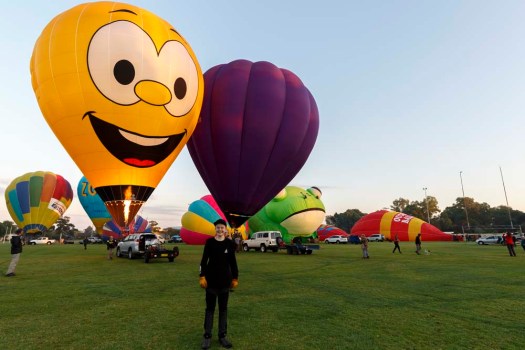
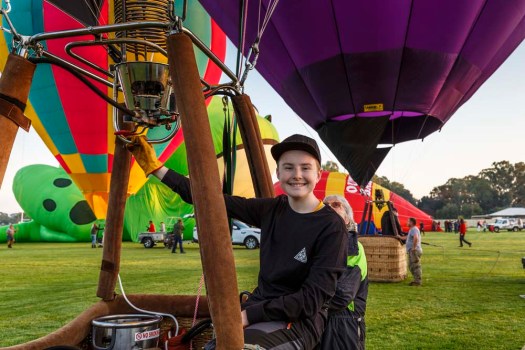
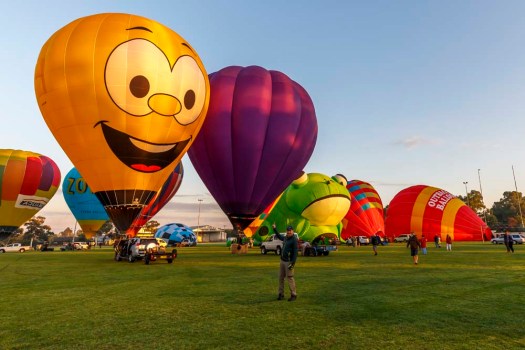
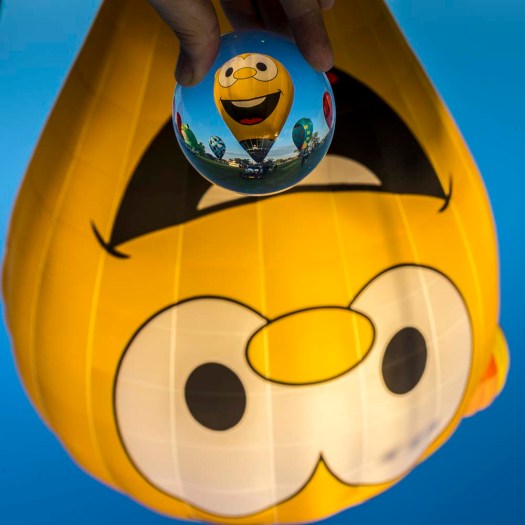
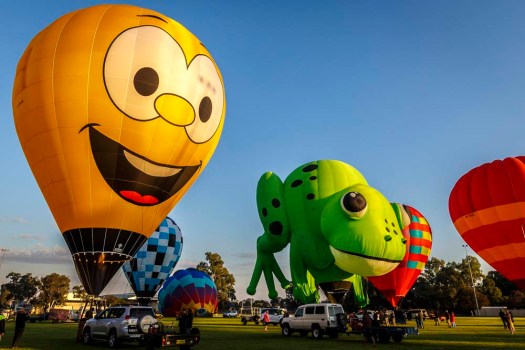
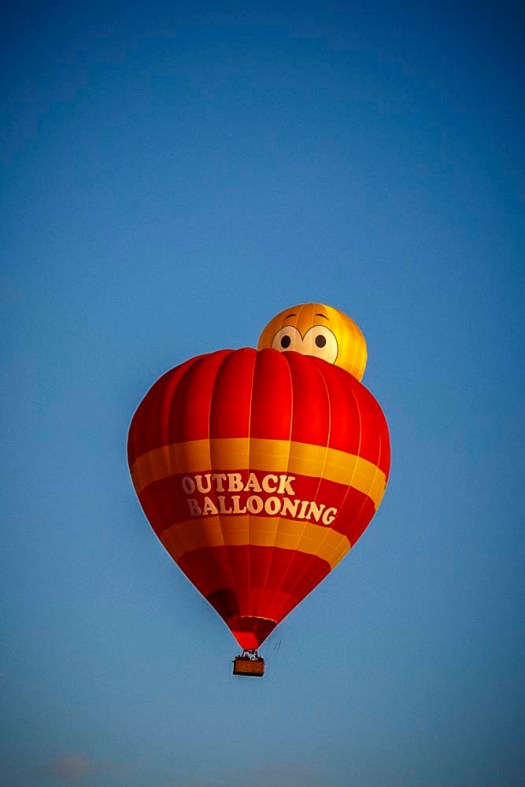
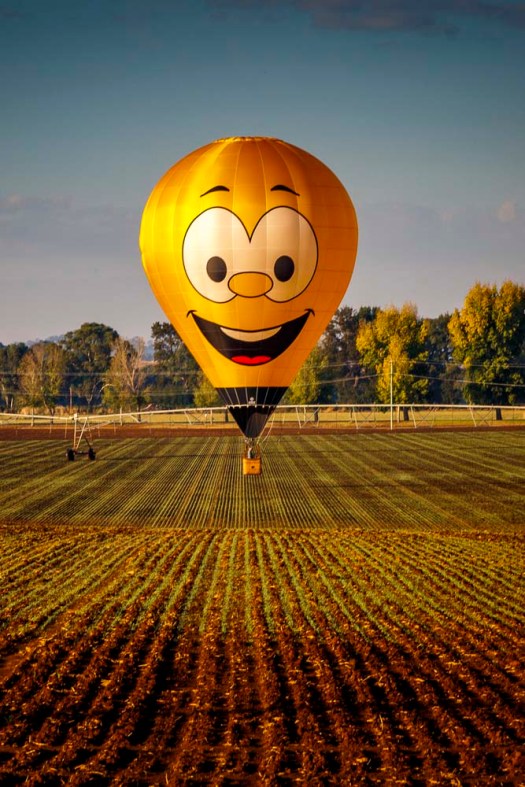

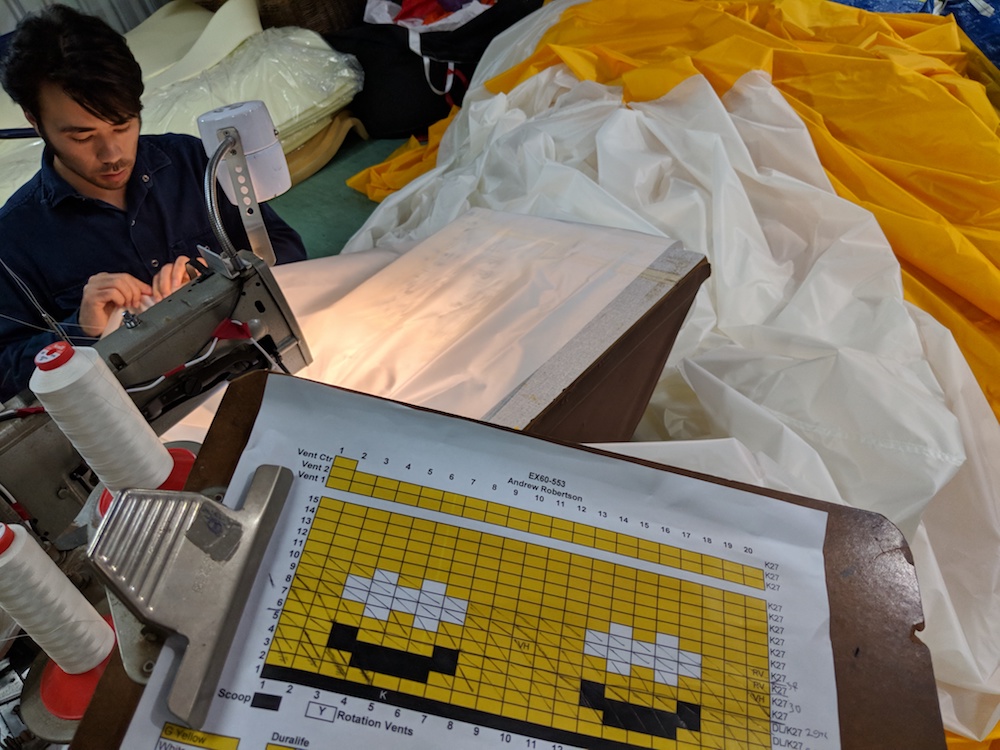


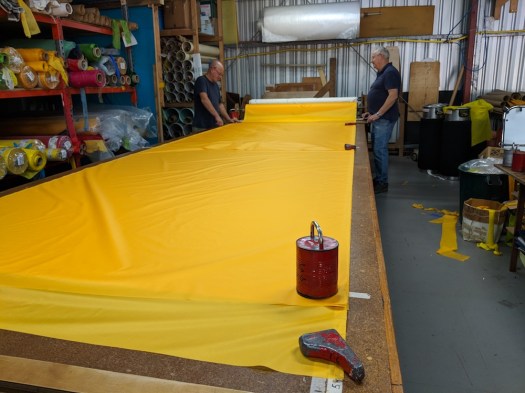


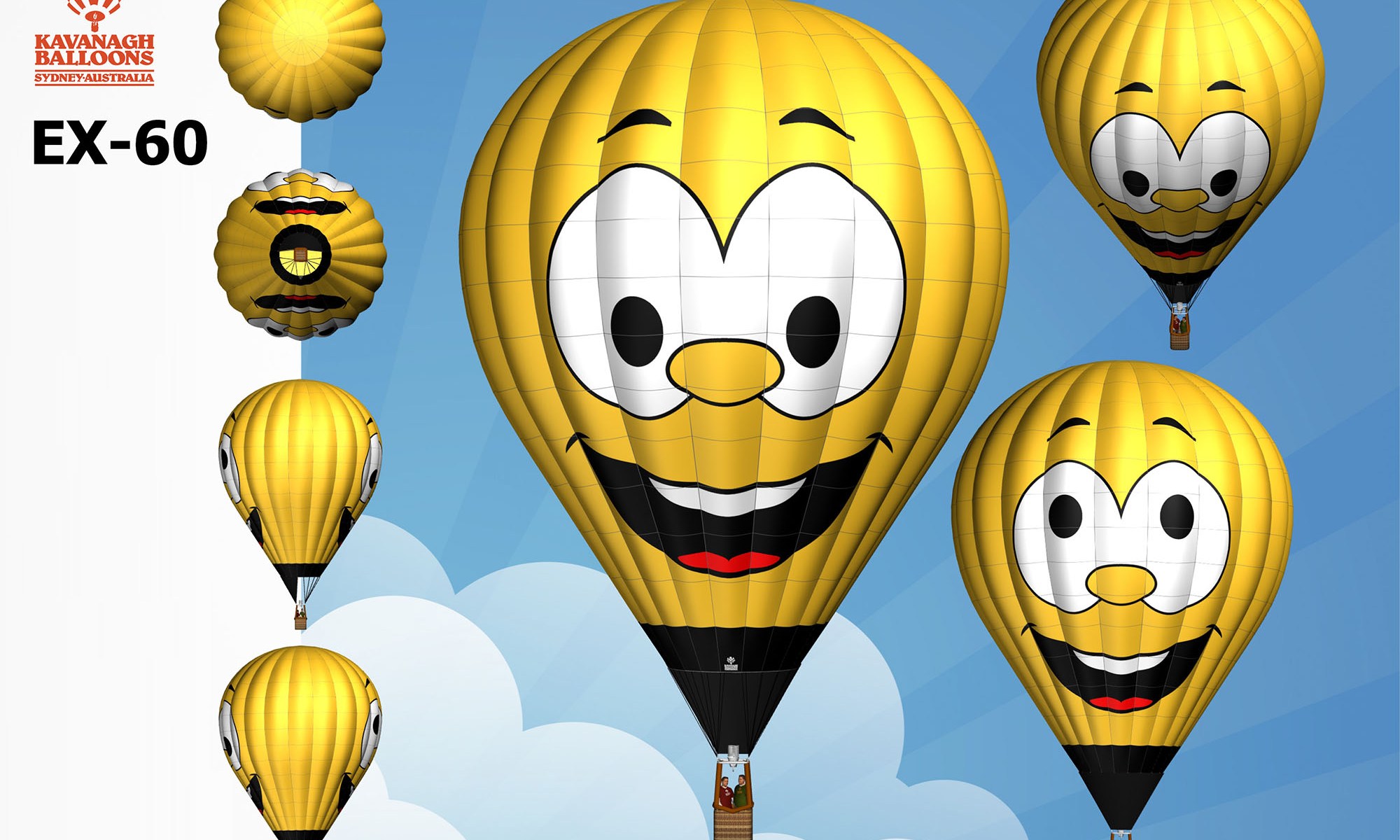
 Balloony McBalloonface